California Title 24 reports, back in two days.
Energy compliance documentation and ECC/HERS rating for every project type in all 16 climate zones. Prices are published, the modelling is done by a CABEC Certified Energy Analyst, and plan-check corrections are included with no limit.
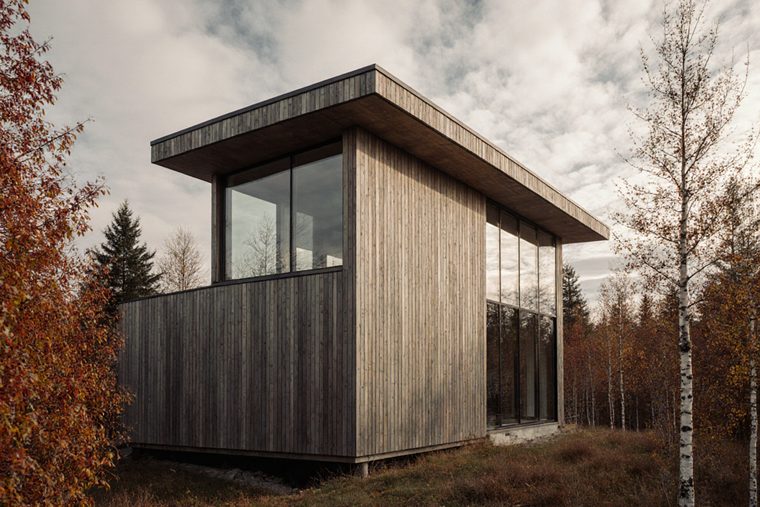
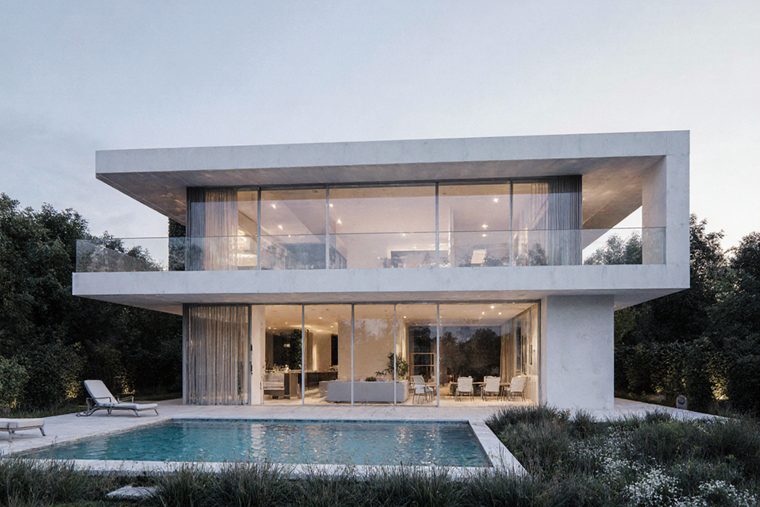
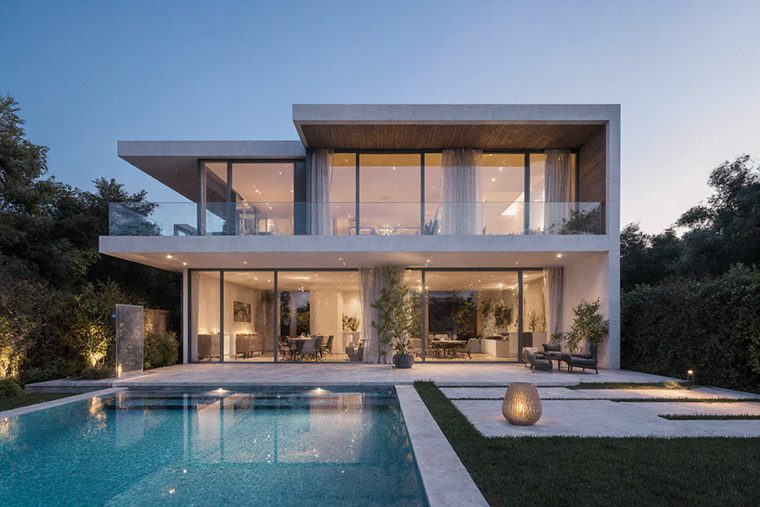
Multifamily, commercial and hotel work is priced the same way. See the full fee schedule.
Certified, and registered where it counts.

The CEA is the credential California's energy-code trade is measured by, issued by the California Association of Building Energy Consultants and earned by examination. Plenty of people produce Title 24 forms; far fewer have been tested on the standards behind them.
CABEC · Certified Energy Analyst
CALGreen is Title 24 Part 11, the green building code that shares your permit with the Part 6 energy code. Certified to examine those plans and inspect the work, so the second code doesn't ambush you at plan check.
International Code Council
CF1R, CF2R and CF3R documents are registered through CHEERS, a CEC-approved data registry. Registration is what makes a compliance form count. Unregistered, it is a printout.
CEC-approved data registry
We do every kind of NRCC project.
Your ADU is held to the same standard.
Offices, retail, restaurants, gas stations, hotels and motels, apartments and multifamily. Most Title 24 consultants are residential-volume shops that have never defended a model to a mechanical engineer. Most commercial specialists won't touch a $200 ADU.
We do both, at published prices. The habits commercial work forces on you (check every assumption, say which numbers are measured and which are assumed, never guess an existing condition) go into the small jobs exactly the same way.
See the commercial work →Your report is only as good as the model behind it
A Title 24 report arrives looking like paperwork. What sits behind it is building physics: heat moving through assemblies, solar gain changing with orientation, duct losses, water heating loads, with a compliance form stapled to the front. The credentials behind your report are what decide how much trouble it saves you later.
A CABEC Certified Energy Analyst builds your model
The CEA is the credential California's energy-code trade is measured by, issued by the California Association of Building Energy Consultants and earned by examination. We read your plan set the way the building actually behaves, so we can tell you why a design fails compliance and which single change fixes it, instead of handing back a red result and leaving it with you.
We're certified to check this work, not just produce it
ICC Certified CALGreen Inspector / Plans Examiner: trained and credentialed to review submittals across the desk from the applicant. Your report is assembled by someone who knows what a plan checker looks for first, so it is built to survive the review rather than to survive the deadline.
Part 6 and Part 11, together
CALGreen is Title 24 Part 11 and it sits on the same permit as the energy code. Most Title 24 consultants hold no CALGreen credential at all, so the two get handled by two people who never speak, and the conflicts surface as corrections. Here they are looked at together, before submittal.
Commercial work sets the standard we use everywhere
We do NRCC energy compliance across the full range: offices, retail, restaurants, gas stations, hotels and motels, apartments and multifamily. Envelope, mechanical, lighting and acceptance testing, defended to project engineers who check the numbers. Those habits carry into every ADU and addition we touch. Almost no residential practice has that background; almost no commercial specialist takes small work.
Where a cheap report costs you money
When a compliance model is rushed, the easiest way to make it pass is to add requirements to your building. Thicker insulation than the framing needs, a bigger heat pump than the design called for, field tests that careful modelling would have removed. None of that shows up on the report. All of it shows up on the invoice from your framer, your HVAC contractor and your rater.
The price gap between energy consultants is usually $30 to $50. The construction gap from an over-specified report runs into the thousands. We model the building as you drew it and look for the cheapest way to make it comply. That is the part of this job with real money in it.
Three services, held to one engineering standard.
You deal directly with the engineer modelling your project. Nothing is handed off and there is no ticket queue to sit in.
Title 24 residential
CF1R compliance for new homes, additions, alterations, ADUs and multifamily. Full performance modelling, with the forms sheet sized to drop straight into your plan set.
From $200 →
02Commercial & NRCC
NRCC documentation for offices, retail, restaurants, gas stations, hotels and motels, apartments and multifamily. Guest room controls, lighting power allowance, envelope and mechanical, plus the performance run.
Quoted on a call →
03ECC / HERS rating
Field verification and registration. Duct leakage, refrigerant charge, QII and airflow, all tested, certified on CF3R forms and registered with an approved provider before you need the sign-off.
Quoted on a call →
Send plans Monday.
Get forms Wednesday.
No intake call, no discovery meeting, no portal to sign up for. A PDF of the plan set is enough to start, and usually enough to finish.
You email the plans
PDF, any size. No forms to fill in, no account to create. If the scope is unusual we'll come back with one or two questions, not a questionnaire.
Same-day acknowledgementFixed price, in writing, before we start
The calculator on this page is the real number. It doesn't move once the plans arrive unless the scope turns out to be different from what was drawn.
No hourly billingTakeoff and model
The envelope is taken off the plan set wall by wall and opening by opening, the compliance model is built and checked against it, and the analysis is run to the 2025 standards.
Engineer-reviewed, every jobSigned forms, ready for the plan set
CF1R or NRCC, registered where required, sized and formatted to drop into your drawings without reformatting.
5 business days standardPlan check, handled
If a plan checker comes back with a comment on the energy documents, the revision is included. For as long as the project takes, at no extra charge.
Unlimited correctionsFind your California climate zone.
California is split into 16 building climate zones, and your zone decides what your project has to hit. Type a city or ZIP, or click the map.
Schematic: nodes are placed for legibility, not survey accuracy. Zone boundaries follow ZIP code lines.
Enter a city or ZIP code, or click any numbered node on the map, and we'll tell you the zone, what drives the design there, and where projects usually lose margin.
Zone assignment is set by the California Energy Commission and follows ZIP code boundaries. A handful of cities straddle two zones. If yours is one of them we will confirm it from the address for free.
Want the whole picture? Read all 16 zones →
Which forms does your project actually need?
Four questions. You'll get the compliance path, the exact forms, and whether an ECC/HERS rater has to visit the site, all before you commit to anything.
5.0 stars across 18 reviews.
Architects, builders and homeowners. Read every one at the source. We don't host reviews on our own site, because reviews the business can edit aren't worth much.
“He did our HERS test on an ADU project. He is very knowledgeable, diligent and very professional.”
The reviews live on Yelp, where we can't touch them. That's the point of them.
Questions people ask before they hire us
No sales language. If the answer is "you don't need us for that", that's the answer you'll get.
All questions →How much does a Title 24 report cost?
An ADU, JADU or standard garage conversion starts at $200 on the prescriptive path. Additions and remodels start at $300, new homes at $300. Each zone beyond the first adds $100.
Commercial NRCC work and multifamily are quoted on a call, because scope there is driven by building type, unit count and system layout rather than by floor area. For everything else, the calculator at the top of this page gives you the real number without you having to contact anyone first.
Which code applies, 2022 or 2025?
The 2025 Energy Code took effect on 1 January 2026 and applies to every permit application submitted on or after that date. If your permit application went in before then, you stay under the 2022 code. When a project has been sitting for a while this is the first thing worth checking, because it changes the requirements materially.
How much does an ECC / HERS report cost?
This is the one thing on the site that isn't on the calculator. ECC (formerly HERS) field verification is quoted per project, because the cost is driven by the measures your CF1R calls for, the number of dwelling units and the number of site visits, rather than by floor area.
Call (909) 914-0305 for a quote. With the CF1R in front of you it takes about two minutes. Registry and rater coordination is quoted on the same call.
What's the difference between a HERS rater and an ECC rater?
They're the same role under a new name. With the 2025 code the Energy Commission renamed HERS (Home Energy Rating System) verification to ECC (Energy Code Compliance) verification. Same field tests, same CF2R and CF3R registration process. Only the acronym on the paperwork changed. Anyone telling you it's a new requirement is mistaken.
Do I need a Title 24 report for an ADU?
Yes. Any new conditioned floor area in California needs a Part 6 compliance report with the permit application: detached ADUs, attached ADUs, garage conversions, JADUs, all of it. Most ADUs are exempt from the solar PV requirement, but envelope, HVAC and water heating rules still apply in full.
What if the city rejects the report?
Corrections are included, for as long as the project takes, at no extra cost. If a plan checker comes back with a comment on the energy documents, fixing it is part of the original fee. We'd rather absorb that than have you price in risk.
Do you work in my city?
All 58 California counties and all 16 climate zones. The work is done from the plan set, so where the project sits doesn't limit anything. Crescent City to El Centro, coastal to desert.
Send the plans. Get a number the same day.
Fixed price before we start, five business days to signed forms, and plan-check corrections included for the life of the project.
Or call (909) 914-0305 and you will get the engineer directly.